

Resources and Support

U.S. Food & Drug Administration (FDA)
The U.S. Food and Drug Administration (FDA) is a federal agency within the Department of Health and Human Services (HHS) responsible for protecting and promoting public health by regulating and supervising food safety, dietary supplements, prescription and over-the-counter medications, vaccines, biopharmaceuticals, medical devices, blood transfusions, radiation-emitting devices, veterinary products, and cosmetics. The U.S. Food and Drug Administration (FDA) does not have a specific division or agency solely dedicated to dentistry. However, the FDA regulates dental products and devices as part of its broader oversight of medical devices and healthcare products. The FDA regulates dental materials, dental instruments, dental equipment, dental implants, dental prosthetics. The FDA establishes and enforces regulatory requirements for dental products to ensure their safety, efficacy, and quality. Dental manufacturers must comply with FDA regulations, including pre-market clearance or approval requirements, quality system regulations, and post-market surveillance obligations.


Centers for Disease Control and Prevention (CDC)
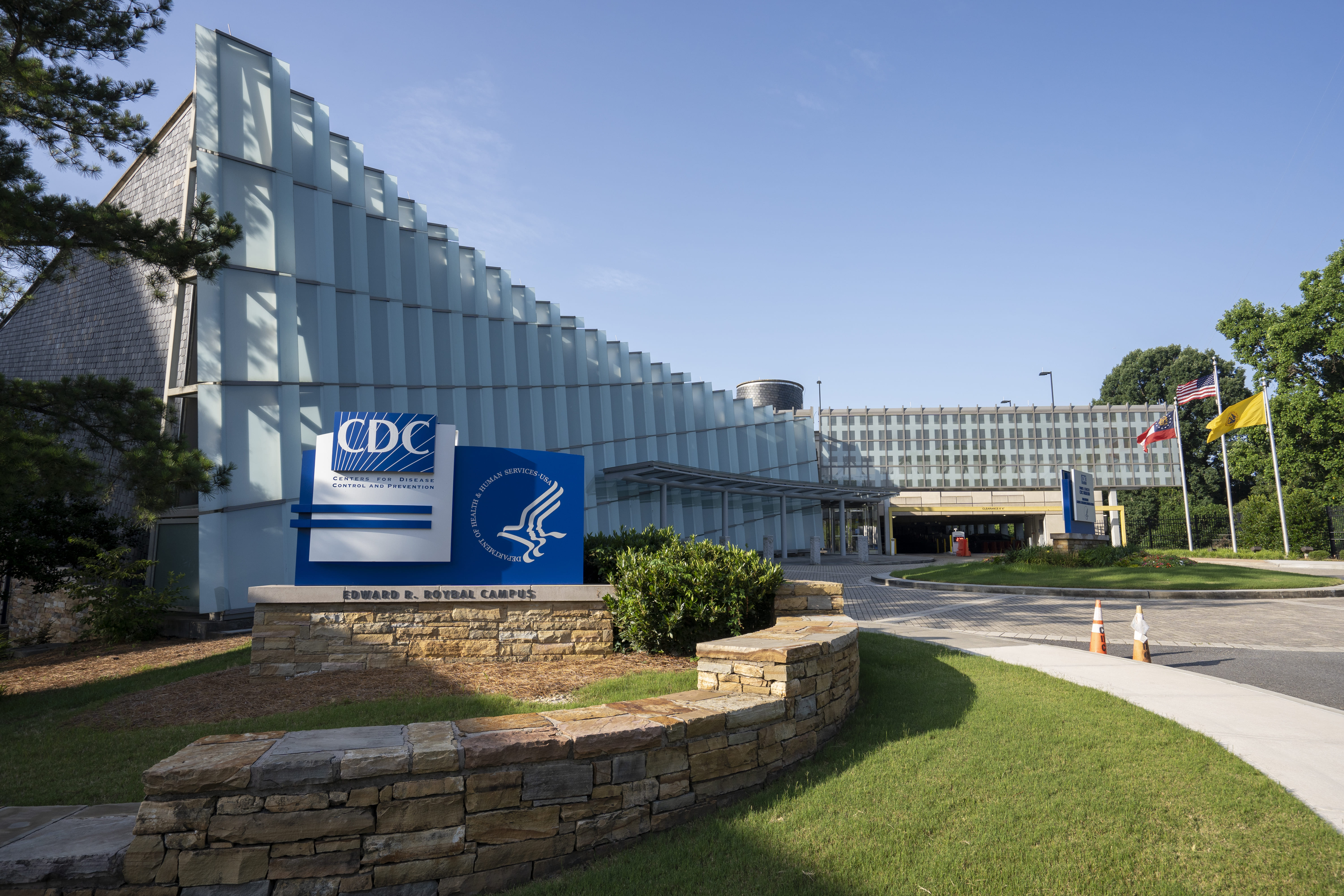
The Centers for Disease Control and Prevention (CDC) is a leading national public health institute in the United States, headquartered in Atlanta, Georgia. Established in 1946, the CDC is a federal agency under the Department of Health and Human Services (HHS) responsible for protecting public health and safety by preventing and controlling the spread of diseases, injuries, and other health threats. The Centers for Disease Control and Prevention (CDC) does not have a specific division or agency exclusively dedicated to dentistry. However, the CDC provides guidance and resources related to oral health and dental care through various programs and initiatives within its broader scope of public health activities. The CDC's Division of Oral Health (DOH) is primarily responsible for promoting oral health and preventing oral diseases at the population level. The DOH works to improve access to preventive dental services, promote community water fluoridation, and implement strategies to reduce disparities in oral health outcomes among different population groups.
- https://www.cdc.gov/
- https://www.cdc.gov/oralhealth/data-tools/index.htm
- https://www.cdc.gov/oralhealth/communications_resources/index.html
- https://www.cdc.gov/oralhealth/infectioncontrol/index.html
- https://www.cdc.gov/oralhealth/infectioncontrol/training-resources.html
- https://www.cdc.gov/oralhealth/infectioncontrol/summary-infection-prevention-pr…
- https://www.cdc.gov/oralhealth/publications/index.htm

Organization for Safety, Asepsis and Prevention (OSAP)
The Organization for Safety, Asepsis, and Prevention (OSAP) is a nonprofit association dedicated to promoting infection control and patient safety in dentistry. Founded in 1984, OSAP serves as a global leader in advancing best practices and standards for infection prevention and control in dental settings. OSAP plays a critical role in promoting a culture of safety and infection prevention in dentistry through education, advocacy, research, and collaboration. By empowering dental professionals with knowledge, resources, and support, OSAP contributes to enhancing the quality of dental care, protecting patients and healthcare workers, and reducing the risk of healthcare-associated infections.


The Joint Commission (TJC)
The Joint Commission is an independent, nonprofit organization that accredits and certifies healthcare organizations and programs in the United States. Founded in 1951, the Joint Commission's mission is to improve healthcare quality and patient safety by evaluating and accrediting healthcare organizations based on rigorous standards and performance measures. Healthcare organizations accredited by the Joint Commission include hospitals, ambulatory care centers, behavioral health facilities, nursing homes, home health agencies, and clinical laboratories. The accreditation process involves a comprehensive evaluation of the organization's compliance with standards related to patient care, clinical processes, safety protocols, leadership, and governance. The Joint Commission also provides education, training, and consulting services to help healthcare organizations improve their quality and safety performance. It collaborates with healthcare professionals, policymakers, and stakeholders to develop evidence-based guidelines, standards, and best practices for healthcare delivery.
- https://www.jointcommission.org/
- https://www.jointcommission.org/our-priorities/health-care-equity/accreditation…
- https://www.jointcommission.org/our-priorities/health-care-equity/certification…
- https://www.jointcommission.org/resources/patient-safety-topics/infection-preve…
- https://www.jointcommission.org/resources/patient-safety-topics/

Frequent Asked Questions
Sterilization VS Disinfection
What is the difference between sterilization vs. disinfection?
Sterilization and disinfection both aim to control microorganisms, but they differ in their thoroughness and uses. Sterilization eliminates all forms of microbial life, including bacteria, viruses, fungi, and spores, ensuring complete cleanliness. Methods include autoclaving, dry heat, chemical sterilants, and irradiation. It is crucial for medical and surgical instruments, lab equipment, and other materials needing total sterility. Disinfection reduces or eliminates most pathogenic microorganisms, except spores, on surfaces or objects. Methods include using chemical disinfectants like bleach and alcohol, UV light, and boiling. Disinfection doesn't ensure complete microbial elimination but is effective for cleaning surfaces, equipment, and non-critical medical devices. In summary, sterilization is for situations requiring total microorganism elimination, while disinfection is sufficient for reducing pathogens on surfaces and less critical items.
How do you determine when to sterilize versus disinfect?
Determining whether to sterilize or disinfect in a dental office hinges on the level of microbial elimination required and the nature of the instruments or surfaces involved. Sterilization is crucial for instruments that come into contact with sterile tissues or enter the bloodstream, ensuring they are free from all forms of microbial life, including spores. Methods like autoclaving, chemical sterilization, or dry heat sterilization are employed based on the instrument's material compatibility and the type of pathogens present. Disinfection, on the other hand, is sufficient for surfaces and non-critical instruments that do not penetrate tissues or contact the bloodstream. It reduces microbial load to safe levels for handling and use but may not eliminate all spores. Dental offices adhere to guidelines from health authorities such as the CDC and ADA to determine whether sterilization or disinfection is appropriate, ensuring effective infection control and patient safety in clinical settings. Regular monitoring and validation of sterilization and disinfection processes uphold these standards, maintaining a hygienic environment essential for quality dental care.
What device classifications are required to sterilize after patient use?
Devices in dentistry that penetrate soft tissues or contact bone typically fall into the "critical", class III category, requiring sterilization after each use to ensure they are free from all forms of microbial life, including spores. Class II devices, depending on use, will also need to be sterilized after each use. This includes instruments such as dental handpieces (high-speed/low-speed, ultrasonic scalers, air/water syringes), surgical instruments like scalpel blades and forceps, and any other devices that come into contact with sterile tissues or enter the bloodstream. These devices must undergo sterilization processes that are validated to effectively eliminate all pathogens, ensuring they are safe for reuse on subsequent patients.
What devices should be disinfected after use on a patient?
In dental practice, devices that require disinfection after use on a patient are categorized based on their contact with bodily fluids and tissues. Semi-critical instruments, such as dental mirrors and reusable impression trays, come into contact with mucous membranes or non-intact skin but do not penetrate tissues. These instruments require high-level disinfection to ensure they are free from pathogenic microorganisms before reuse. Non-critical instruments and surfaces, like dental chairs, light handles, and countertops, come into contact only with intact skin or do not directly touch patients. These surfaces and instruments typically undergo intermediate-level or low-level disinfection depending on their potential for microbial contamination. Following guidelines from organizations such as the CDC and ADA, dental offices implement specific disinfection protocols tailored to different categories of instruments and surfaces to maintain a clean and safe environment, promoting effective infection control and patient wellbeing. Regular monitoring and validation of disinfection processes are integral to upholding hygienic standards and ensuring quality care in dental settings.
What types of disinfectants are approved to be used in a dental office?
Disinfectants approved for use in dental offices encompass a range of formulations tailored to different levels of microbial control and material compatibility. Common types include quaternary ammonium compounds (Quats), effective as low-level disinfectants for non-critical surfaces and instruments, and alcohol-based solutions like ethanol and isopropyl alcohol, used at intermediate levels on surfaces and small equipment. Chlorine compounds, such as sodium hypochlorite (bleach), offer broad-spectrum disinfection but may corrode metals. Phenolic compounds provide intermediate-level disinfection with residual odor concerns. Hydrogen peroxide-based disinfectants and peracetic acid serve as high-level disinfectants and sterilants, suitable for various dental instruments. Accelerated hydrogen peroxide (AHP) formulations are gaining popularity for their efficacy and environmental safety. Adherence to EPA and FDA guidelines ensures proper use, including correct dilution, contact time, and compatibility with dental materials, crucial for maintaining a hygienic environment and safeguarding patient health in dental practices.